
Kathiya Wheat
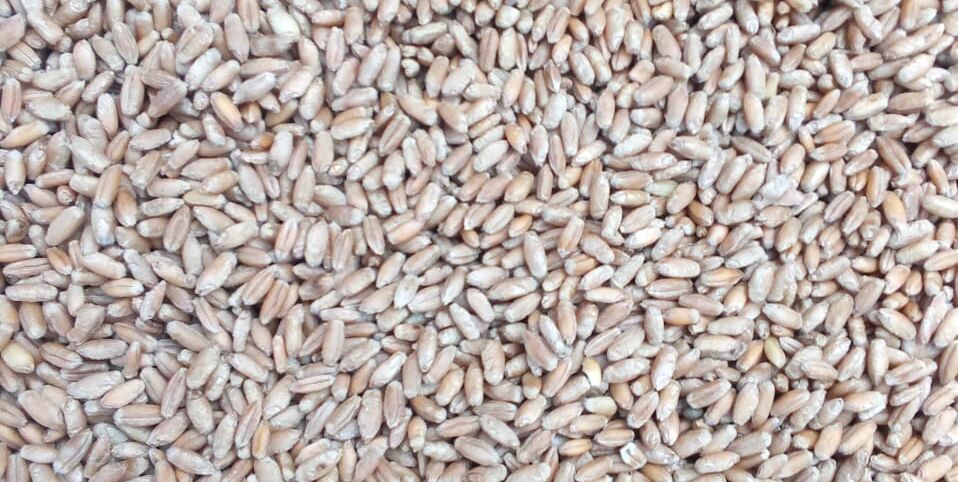
The Resilient Grain of Bundelkhand
Discover the Richness of Tradition
Kathiya Wheat, a traditional red wheat variety from the arid terrains of Bundelkhand, is prized for its adaptability, resilience, and nutritional richness. Celebrated for its robust flavour, taste and heritage, this grain is a symbol of the enduring agricultural practices of Central India.
What is Kathiya Wheat?
Kathiya Wheat is a variety of scientifically known “Triticum durum” species, that thrives in the challenging climates of Bundelkhand, encompassing parts of Uttar Pradesh and Madhya Pradesh. Known for its deep red hue and large grains, Kathiya Wheat is integral to the local cuisine and increasingly popular globally for its distinctive qualities.
Geographical Indication (GI) – Guarantee of Authenticity
Kathiya Wheat has been recognized with a Geographical Indication (GI) tag, affirming its origins from the distinct regions of Bundelkhand. This designation certifies the authenticity and traceability of Kathiya Wheat, underscoring its adherence to traditional cultivation methods unique to this geographical area. The GI tag not only validates the heritage and environmental specificity of Kathiya Wheat but also highlights its cultural significance, ensuring that the qualities which make it unique are preserved and celebrated.
Exceptional Nutritional Benefits
Kathiya Wheat is a nutritional powerhouse, rich in protein, dietary fibre, and essential minerals. It contains a high level of beta-carotene, a precursor to Vitamin A, and is abundant in Vitamins B and E, which significantly enhance its nutritional value. The grain also provides vital minerals such as iron, calcium, phosphorus, zinc, and copper, contributing to a health-promoting diet. With its high fibre content, Kathiya Wheat supports digestive health and helps manage blood sugar levels, making it an excellent dietary choice for those with diabetes.
Kathiya Dalia: A Wholesome Choice
While dalia is a popular choice for a nutritious meal across many households, not all dalia are created equal. Most of the dalia available in the market is made from the general wheat species, “Triticum aestivum”, which, though widely used, may not offer the same nutritional benefits as dalia made from “Triticum durum” wheat, especially Kathiya Wheat. “Triticum aestivum” typically has a higher gluten content, which might be less suitable for those sensitive to gluten or looking for a lower-gluten option. Additionally, the protein content and micronutrient profile, including potentially beneficial components like beta-carotene, can vary significantly.
In contrast, Kathiya Wheat, known for its cultivation in harsher conditions, is traditionally valued for its robust nutritional profile. It offers a hearty alternative that is generally lower in gluten and is valued for its protein quality, although specific comparisons to common wheat depend on numerous factors. By choosing Kathiya Wheat dalia, you are opting for a meal that supports healthier dietary choices and taps into the rich agricultural heritage of Bundelkhand.
Sustainable and Community-Centric
The cultivation of Kathiya Wheat promotes sustainable agriculture and bolsters the economic stability of local farming communities in Bundelkhand. Despite its adaptability to regions with low irrigation or rainfall, the lower yield per unit area has led to a decline in the land allocated to its cultivation, as farmers often choose higher-yielding crops. However, the recent designation of Kathiya Wheat as a Geographically Indicated (GI) product is expected to rejuvenate interest and expand its cultivation. By choosing Kathiya Wheat, you are not only opting for a healthful diet but also contributing to the preservation of age-old farming practices and supporting the revival of this culturally and economically important crop.
Culinary Versatility
While Kathiya Wheat is primarily celebrated for making Dalia, its uses extend beyond this traditional dish. Due to its hard and high-protein nature, Kathiya Wheat yields firmer, more textured rotis that are crispier and have richer flavour than those made from softer white wheat varieties. This robust texture also makes it ideal for creating pasta and other grain-based products that benefit from a firmer structure.
Embrace the Taste of Tradition
Kathiya Wheat is more than just a grain; it’s a celebration of heritage and health. It stands out for its ability to enrich your diet while connecting you with the traditional flavours of Bundelkhand. Including Kathiya Wheat in your regular diet not only offers numerous health benefits due to its rich nutritional profile but also supports sustainable agriculture in a region known for its challenging climatic conditions. By choosing Kathiya Wheat, you contribute to preserving this invaluable crop, ensuring that its benefits continue to bless future generations. Embrace Kathiya Wheat in your daily meals to enjoy its distinctive taste and texture, and join a movement that values health, heritage, and the environment.